
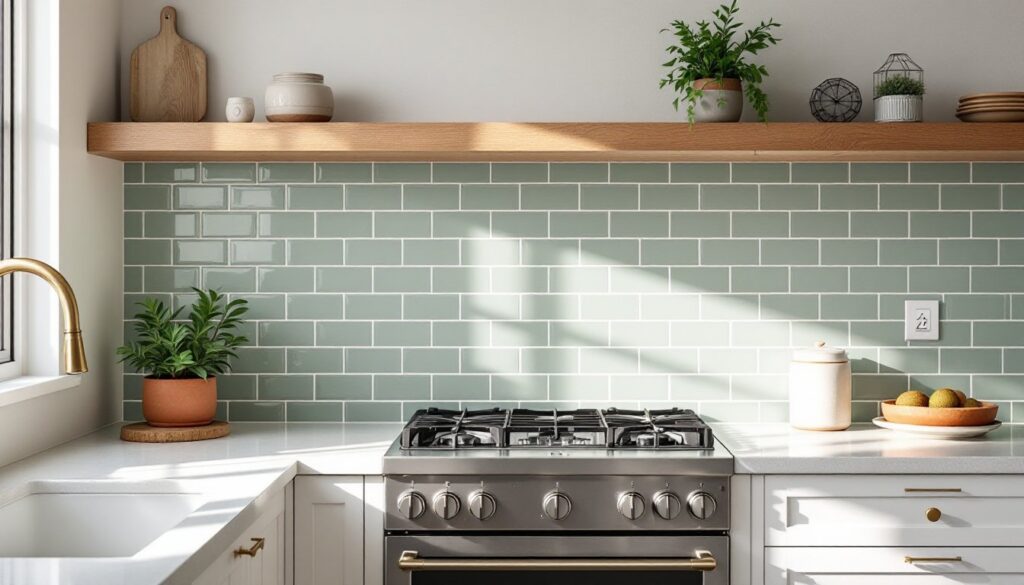
A green kitchen backsplash does more than protect walls from splatter, it anchors the entire design. Whether leaning toward sage, emerald, or mint, green brings warmth, depth, and a connection to nature that neutral tiles can’t quite match. It works in modern kitchens, traditional spaces, and everything in between, as long as the shade and material align with the cabinets, counters, and lighting. The trick is knowing which green to choose and how to install it without creating a color clash or a dated look. This guide walks through the best materials, popular tones, and design pairings to help anyone confidently install a green backsplash that elevates their kitchen.
Key Takeaways
- A green kitchen backsplash adds warmth, depth, and design flexibility that works across modern, traditional, and eclectic styles while hiding stains better than lighter tiles.
- Popular green backsplash shades include sage (sophisticated and versatile), emerald (rich and dramatic), mint (light and airy), and hunter green (moody and bold), each suiting different kitchen designs and lighting conditions.
- Ceramic subway tile is the most cost-effective and DIY-friendly material for green backsplashes, with standard 3×6-inch tiles running $2 to $10 per square foot and covering 30 to 50 square feet for a typical installation.
- Pair green backsplashes thoughtfully with cabinet colors and countertops: earthy greens work with wood cabinets, jewel tones contrast beautifully with gray or black cabinetry, and white or cream cabinets offer maximum flexibility.
- Always test green backsplash tiles in your actual kitchen at different times of day and lighting conditions before installation, as natural and artificial light significantly affects how the color appears.
- Grout color choice matters as much as tile selection—white grout emphasizes patterns, gray or taupe blends seamlessly, and dark grout hides staining but can overpower lighter green tiles.
Why Choose a Green Backsplash for Your Kitchen
Green occupies a unique position in kitchen design. It’s versatile enough to act as a neutral but bold enough to serve as the room’s focal point. Unlike stark white or gray, green adds visual interest without overwhelming the space, making it easier to layer in wood tones, metallics, and other natural materials.
From a practical standpoint, green hides minor staining better than lighter tiles, particularly in high-traffic cooking zones. Darker greens like hunter or forest conceal splatter and grout discoloration over time, reducing the frequency of deep cleaning. Lighter greens, mint, seafoam, or celadon, still offer this benefit while keeping the kitchen feeling open and airy.
Green also plays well with current design trends. It complements brass and gold hardware, pairs naturally with butcher block and marble countertops, and works alongside both warm and cool color palettes. For homeowners looking to update a kitchen without a full remodel, swapping out a backsplash for green tile is one of the most cost-effective moves available. Standard ceramic tile runs $2 to $10 per square foot (material only), and a typical backsplash covers 30 to 50 square feet, making it a manageable weekend project for most DIYers with basic tiling experience.
Popular Shades of Green for Kitchen Backsplashes
Not all greens are created equal, and the wrong shade can make a kitchen feel dated or off-balance. Here are the most versatile options:
Sage green remains the most popular choice for a reason. It’s muted, sophisticated, and works in both modern farmhouse and contemporary kitchens. Sage pairs beautifully with white or cream cabinets and doesn’t compete with stainless steel appliances.
Emerald and jewel tones bring drama and richness. These deeper greens work best in kitchens with ample natural light or as an accent wall behind the range. They pair well with dark wood cabinetry, black hardware, and marble or quartz countertops with gray veining.
Mint and seafoam offer a lighter, airier feel, ideal for smaller kitchens or spaces with limited windows. These shades work well in coastal or retro-inspired designs and complement white subway tile, light wood, and polished nickel fixtures.
Olive and moss greens lean earthy and organic. They suit kitchens with natural wood elements, open shelving, and matte black or bronze hardware. These tones feel grounded and work in transitional or rustic designs.
Dark hunter or forest green creates a moody, high-contrast backdrop. This works in larger kitchens with white or light-colored cabinetry and works especially well with gold or brass accents. It’s a bold choice that can feel dated if not executed carefully, so pairing it with clean lines and modern fixtures is key.
Best Materials for Green Kitchen Backsplashes
Material choice affects both the look and the installation process. Here’s what works best for green backsplashes.
Ceramic and Subway Tiles
Ceramic tile is the workhorse of backsplashes. It’s affordable, widely available, and easy to cut with a wet saw or manual tile cutter. Standard 3×6-inch subway tiles are the most common format and install quickly with thin-set mortar and sanded grout. For a classic look, run them in a brick-lay pattern with 1/8-inch grout lines. For something more modern, stack them vertically or use a herringbone layout.
Glazed ceramic is non-porous and easy to clean, which matters in a kitchen. Unglazed or matte-finish tiles offer a softer, more organic look but may require sealing depending on the product. Always check the manufacturer’s specs.
One common mistake: skipping the tile spacers. Consistent grout lines matter more than most DIYers think, especially with subway tile where even slight variations become obvious. Spend the $5 on a bag of spacers.
Glass and Mosaic Options
Glass tile reflects light beautifully and works especially well in small or darker kitchens. It comes in sheets (usually 12×12 inches with individual tiles mounted on mesh backing), making installation faster than laying individual tiles. Glass requires a white thin-set mortar to prevent the adhesive from showing through, and cutting it cleanly requires a wet saw with a glass-specific blade.
Mosaic sheets, often a mix of glass, stone, and ceramic, add texture and visual complexity. They’re ideal for accent areas, like the space behind the cooktop, rather than full-wall coverage. These typically cost more ($10 to $30 per square foot) and take longer to install due to the smaller tile size and increased grout lines.
Glass doesn’t absorb stains, but it shows water spots and fingerprints easily. Plan to wipe it down regularly if installing it near the sink.
Design Styles That Pair Beautifully with Green Backsplashes
Green backsplashes adapt to multiple design styles, but some pairings work better than others.
Modern farmhouse kitchens thrive with sage or mint green subway tile, white shaker cabinets, and open wood shelving. Add brushed brass or matte black hardware and a wood or butcher block countertop for warmth.
Contemporary and minimalist spaces benefit from large-format tiles (like 4×12-inch or 6×24-inch planks) in darker greens such as emerald or forest. Pair with handleless cabinetry, quartz countertops, and integrated appliances for a clean, uncluttered look.
Traditional and transitional kitchens can handle richer greens like olive or hunter, especially when combined with raised-panel cabinetry, granite or marble counters, and classic pendant lighting. Use a stacked or herringbone tile pattern to add subtle detail without veering into trendy territory.
Eclectic or boho kitchens work well with mosaic tiles in mixed green tones, paired with colorful textiles, plants, and mismatched hardware. This style allows for more experimentation and personal expression.
Retro or mid-century designs pair beautifully with mint or seafoam glass tile, white or wood cabinetry, and chrome fixtures. Keep lines simple and avoid overdoing the vintage accessories, the backsplash should be the star.
How to Choose the Right Green Tone for Your Cabinets and Countertops
Picking a green backsplash without considering the surrounding elements is a fast track to a color clash. Here’s how to narrow it down.
White or cream cabinets are the most forgiving. Nearly any green works here, from soft sage to deep emerald. Lighter greens keep the space feeling open, while darker greens add contrast and drama. If the kitchen gets good natural light, lean darker. If not, stick with lighter shades.
Wood cabinets, especially oak, walnut, or maple, pair well with earthy greens like olive, moss, or sage. Avoid overly bright or neon greens, which can compete with the wood grain. Match the warmth: warm-toned wood calls for greens with yellow or brown undertones, while cooler woods like ash pair better with blue-toned greens.
Gray or black cabinets need careful handling. Sage and muted greens work well, but avoid greens that are too yellow or too blue, which can read muddy or cold. Jewel-tone greens like emerald provide contrast without clashing, especially with black cabinets and gold hardware.
For countertops, white or light quartz and marble allow maximum flexibility. Granite with warm tones pairs well with olive or sage. Gray-veined quartz works with cooler greens. Butcher block counters call for softer, earthy greens rather than bright or jewel tones.
Grout color also plays a bigger role than most anticipate. White grout creates a crisp grid that emphasizes the tile pattern, great for subway tile. Gray or taupe grout blends in and creates a more seamless look, ideal for mosaics or large-format tiles. Dark grout hides staining but can overpower lighter green tiles, so test a small section first.
Finally, grab sample tiles and view them in the actual kitchen at different times of day. Natural light, LED lighting, and incandescent bulbs all shift how green reads. A tile that looks perfect in the showroom might feel too blue or too yellow once installed. Most tile shops will sell or loan samples for this exact reason, use them.