
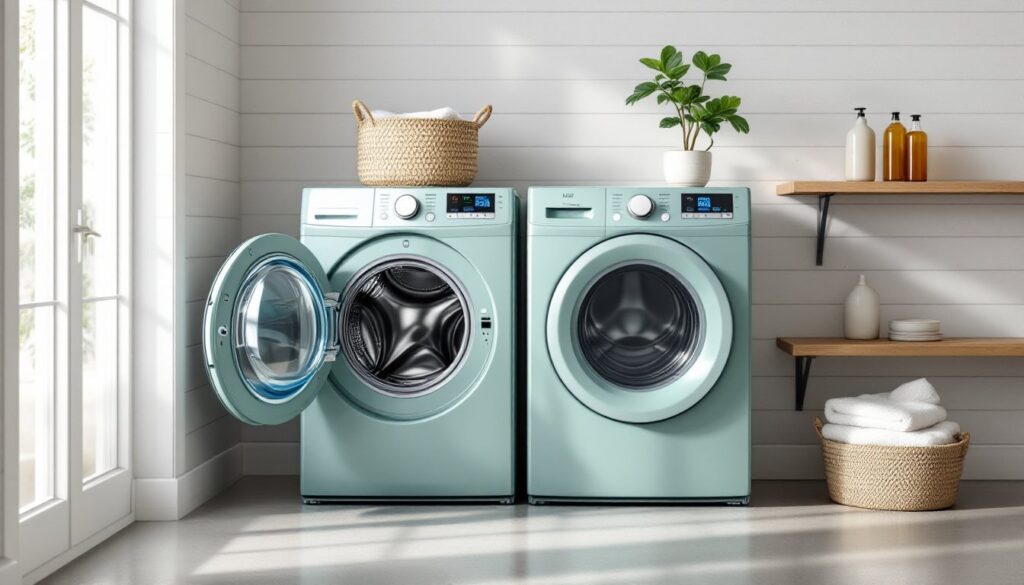
Shopping for a green washer and dryer isn’t just about saving the planet, it’s about cutting utility bills while still getting clothes clean. With energy costs climbing and water restrictions tightening in many regions, eco-friendly laundry appliances have shifted from nice-to-have to practical necessity. Today’s green machines use advanced sensors, heat pump technology, and load-adaptive cycles that older models can’t match. This guide breaks down what makes an appliance truly green, which certifications matter, and how to choose features that deliver both performance and efficiency without the marketing fluff.
Key Takeaways
- A green washer and dryer cuts utility bills by using advanced sensors and efficient motors—ENERGY STAR certified models save up to $45 annually on electricity and $35 on water, with heat pump dryers adding $200–$300 in yearly electricity savings.
- Heat pump dryers reduce energy consumption by up to 50% compared to standard electric models by recirculating warm air, though cycles run 30–60 minutes longer at lower temperatures.
- Look for ENERGY STAR and CEE Tier certifications rather than unverified ‘eco mode’ claims; check the IMEF rating (aim for 2.0+) and IWF (4.0 or less) on washers to compare true efficiency across models.
- Load-sensing auto-fill and spray rinse systems cut water use by 30–40% per load, while cold-water wash optimization saves 90% of the energy typically used to heat water.
- Running full loads, using cold water for most washes, and maintaining lint traps and vent ducts are habits that maximize your green washer and dryer’s efficiency and lifespan.
- Many utilities and state programs offer $50–$100 rebates on qualifying ENERGY STAR appliances; check the ENERGY STAR rebate finder and local water district websites before purchasing.
What Makes a Washer and Dryer “Green”?
A green washer and dryer earns the label by using significantly less water, electricity, or gas than conventional models, and the difference shows up on utility statements within months. The key isn’t a single feature but a combination of efficient motors, smart sensors, and design choices that reduce waste.
High-efficiency (HE) washers use roughly 13 gallons per load compared to 23 gallons for older top-loaders. They achieve this through tumble-wash action and precise water metering rather than filling an entire tub. Front-loaders dominate this category, though some top-load HE models exist.
Energy-efficient dryers rely on heat pump technology or moisture sensors to cut electricity use. A heat pump dryer recirculates warm air instead of venting it outside, reducing energy consumption by up to 50% compared to standard electric dryers. Moisture sensors stop the cycle when clothes reach target dryness, preventing over-drying that wastes power and damages fabric.
Green appliances also consider the manufacturing footprint, materials sourcing, refrigerant types (for heat pumps), and end-of-life recyclability. Brands increasingly publish environmental impact reports, though third-party certifications remain the most reliable benchmarks.
It’s worth noting that natural gas dryers, while often marketed as efficient, still vent combustion gases and require proper makeup air to meet code. Electric heat pump models edge them out for true low-impact operation in most residential settings.
Top Benefits of Choosing Green Laundry Appliances
The practical payoff from green washers and dryers extends beyond environmental credentials. Homeowners see tangible returns in four areas.
Lower utility bills: An ENERGY STAR certified washer saves an average of $45 per year on electricity and $35 on water costs compared to non-certified models. Heat pump dryers add another $200–$300 in annual electricity savings for households doing six loads per week. Those numbers compound over a 10–15 year appliance lifespan.
Gentler fabric care: Efficient cycles use lower temperatures and less mechanical agitation. Clothes last longer when they’re not beaten against an agitator or blasted with excessive heat. Moisture sensors prevent the brittleness that comes from over-drying, which is especially noticeable on elastic waistbands and spandex blends.
Quieter operation: Modern inverter motors and vibration-dampening systems make green washers surprisingly quiet, many run at 50–55 decibels during the spin cycle, roughly the sound level of normal conversation. Heat pump dryers eliminate the roar of high-speed exhaust fans.
Rebates and incentives: Many utilities and state programs offer $50–$100 rebates on qualifying ENERGY STAR appliances. Some municipalities provide additional incentives for water-saving models in drought-prone areas. Check the ENERGY STAR rebate finder and local water district websites before purchasing, those credits effectively shorten payback periods.
Energy Efficiency Ratings and Certifications to Look For
Certifications cut through marketing claims and provide apples-to-apples comparisons. Two labels matter most when shopping for a green washer and dryer.
ENERGY STAR is the baseline. Washers must use 33% less energy and 40% less water than federal minimums. Dryers must be 20% more efficient. The certification gets updated every few years, 2026 models meet tighter standards than machines certified in 2020, so check the vintage date on the label.
CEE (Consortium for Energy Efficiency) Tier ratings go further, ranking appliances in tiers from basic efficiency (Tier 1) to exceptional (Tier 3 or Advanced Tier). A washer at CEE Tier 3 uses about 15% less energy than a standard ENERGY STAR model. These tiers help identify the top performers when multiple models carry the ENERGY STAR badge.
The yellow EnergyGuide label required by the FTC shows estimated annual energy cost and compares the model to similar appliances. Use it to spot outliers, if one front-loader costs $30/year to run and another costs $55, the extra efficiency is worth factoring into the purchase price.
Integrated Modified Energy Factor (IMEF) and Integrated Water Factor (IWF) appear in washer specs. Higher IMEF is better (most green washers exceed 2.0), and lower IWF is better (look for 4.0 or less). Dryers use Combined Energy Factor (CEF), higher numbers mean more efficiency, with heat pump models often exceeding 4.0 CEF versus 3.3 for standard electrics.
Avoid models that tout “eco mode” without certification. A true green appliance performs efficiently on standard cycles, not just a seldom-used specialty setting.
Best Green Washer and Dryer Features in 2026
Specific features separate genuinely efficient appliances from greenwashed models. Focus on these when comparing spec sheets.
Water-Saving Technologies
Load-sensing auto-fill adjusts water volume to match the size and fabric type of each load. Sensors measure weight or conductivity to determine optimal water levels, no more guessing or defaulting to a full tub for two towels.
Spray rinse systems replace deep-water rinses with targeted high-pressure jets. This cuts rinse water use by 30–40% without leaving detergent residue. Front-loaders use this method almost universally: top-loaders vary.
Recirculation pumps filter and reuse rinse water for the next wash cycle’s initial fill. This feature remains rare in residential models but appears in premium lines. It can reduce per-load water use to under 10 gallons.
Cold-water wash optimization uses enzymes and extended tumbling to clean effectively at lower temperatures. Heating water accounts for about 90% of a washer’s energy use, so cold cycles deliver the biggest savings. Look for machines with dedicated cold-wash programs rather than just a temperature dial.
Energy-Efficient Drying Options
Heat pump dryers dominate the green dryer category. They operate at lower temperatures (125°F versus 150°F for conventional electrics) and recycle heat through a closed-loop refrigerant system. The tradeoff: cycles run 30–60 minutes longer. Brands like Miele, Bosch, and LG offer the widest North American selection in 2026.
Moisture sensors with auto-shutoff prevent energy waste from over-drying. Capacitive sensors embedded in the drum detect humidity levels more accurately than single-point thermostats. This feature should be standard, not optional, verify it’s active on all automatic cycles, not just delicates.
Ventless condensing dryers work where vented exhaust isn’t feasible (apartments, interior laundry closets). They condense moisture into a drain line or collection tank. While not as fast as vented models, they eliminate the energy loss from exhausting conditioned air and offer flexible installation.
Eco-dry modes extend cycle time while lowering heat output. They’re useful for loads that aren’t time-sensitive. Some models combine this with off-peak timers to run during lower electricity rate periods, worth checking if the utility offers time-of-use pricing.
How to Maximize Eco-Friendliness with Your Laundry Routine
The greenest washer and dryer still waste resources if used poorly. Habits matter as much as hardware.
Run full loads. Washers achieve peak efficiency at 80–100% capacity. Two half-loads use more water and energy than one full load, even with auto-sensing. Learn what “full” looks like for the drum size, items should move freely but fill the space.
Use cold water for most loads. Modern detergents and HE washers make hot water unnecessary except for sanitizing bedding or heavily soiled work clothes. Cold washes use 90% less energy and cause less color fading.
Choose the right detergent. HE-certified detergent is required for high-efficiency washers, regular detergent creates excess suds that interfere with sensors and rinsing. Use the minimum recommended amount: more soap doesn’t mean cleaner clothes and forces extra rinse cycles.
Maintain machines properly. Clean washer gaskets and dispensers monthly to prevent mold. Check dryer lint traps before every load and vacuum the vent duct annually, restricted airflow forces longer cycles and creates a fire hazard per NFPA guidelines.
Air-dry when practical. Even the most efficient dryer uses more energy than a clothesline or drying rack. Delicates, workout gear, and lightweight items dry quickly indoors. This extends appliance life and eliminates static without dryer sheets.
Skip unnecessary features. Steam cycles and sanitize modes have their place, but defaulting to them wastes energy. Standard cycles handle everyday laundry just fine.
Green appliances deliver the best performance when users understand the tech behind them. Read the manual’s efficiency tips, manufacturers include load-specific guidance that actually helps.