
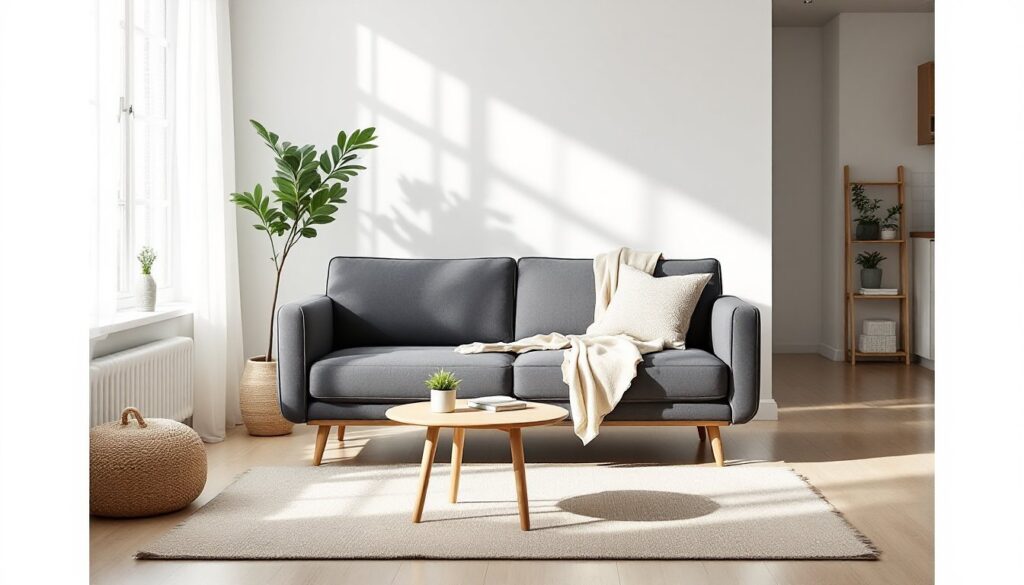
Finding furniture that works double duty isn’t just smart, it’s essential when every square foot counts. A sleeper sofa transforms a cramped studio or tight guest room from “where will everyone sleep?” into a solved problem. But not all sleeper sofas fit small spaces, and choosing wrong means a bulky couch that overwhelms the room or a flimsy mattress nobody wants to sleep on. The right one delivers comfort for sitting and sleeping without eating up precious floor space. This guide walks through what actually matters when shopping for a sleeper sofa built for compact living.
Key Takeaways
- A sleeper sofa for small spaces eliminates the need for a separate guest bed, freeing up valuable floor space while providing functional daily seating without permanent furniture waste.
- Compact sleeper sofas should measure 32–35 inches deep with low-profile or track arms to maximize usable room width and ensure they fit through doorways and tight spaces.
- Prioritize at least a 5-inch memory foam or gel-infused mattress with a breathable, removable cover to ensure guests actually want to sleep on the sofa rather than endure an uncomfortable night.
- Loveseat and apartment-size sleeper sofas are ideal for small spaces—loveseats open to twin beds for studios, while apartment-size models (68–76 inches wide) balance seating and sleeping capacity.
- Always measure your room layout with painter’s tape, test the opening mechanism in-store, and verify that the sofa can fully extend and fit through doorways and stairwells before purchasing.
- Modern sleeper sofas are engineered specifically for urban compact living with smooth mechanisms and durable frames that handle regular use, making them a practical long-term solution rather than a temporary compromise.
Why a Sleeper Sofa Is the Ultimate Small Space Solution
Sleeper sofas eliminate the need for a separate guest bed, freeing up space that would otherwise sit empty most of the year. In apartments, condos, or smaller homes, dedicating an entire room to occasional guests doesn’t make sense. A quality sleeper sofa handles everyday seating and converts when someone stays over.
The math is straightforward: a twin bed takes up roughly 39 inches by 75 inches of floor space permanently. A compact sleeper sofa occupies similar width when closed but serves as functional seating daily. When opened, it uses the same footprint a bed would, but only when needed.
Modern sleeper sofas have shed the reputation of being uncomfortable torture devices. Today’s mechanisms are smoother, mattresses are thicker and better supported, and frames are engineered to handle nightly use without sagging. Manufacturers now design specifically for urban living, where convertible furniture isn’t a compromise, it’s the plan.
For renters, sleeper sofas offer flexibility. They move easier than traditional bed frames, fit through narrow doorways and staircases better, and adapt to different room layouts. When someone downsizes or relocates, the sleeper sofa transitions to the new space without becoming obsolete.
Key Features to Look for in a Small Space Sleeper Sofa
Not every sleeper sofa makes sense for tight quarters. The wrong proportions or a clunky mechanism can make a small room feel even smaller. Focus on these features to get a piece that actually works.
Compact Dimensions and Space-Saving Designs
Overall depth matters more than most buyers realize. Standard sofas run 36 to 40 inches deep, but compact sleeper sofas measure closer to 32 to 35 inches. Those few inches make a real difference in a narrow living room or studio. Check the depth measurement from the back of the sofa to the front edge of the seat, not including loose cushions, which compress.
Arm style affects usable width. Track arms and low-profile arms add less bulk than rolled or English arms. A sofa with 6-inch arms versus 10-inch arms saves nearly half a foot in total width, valuable real estate when fitting through doorways or placing against a wall.
Look for sleeper sofas that open straight out rather than requiring clearance behind the sofa. Pull-out mechanisms should glide on tracks or legs that don’t scrape floors. Some models use a click-clack or futon-style fold-down system that doesn’t need floor space in front when converting.
Weight and mobility also count. If someone needs to rearrange often or clean underneath, a sleeper sofa over 200 pounds becomes a permanent fixture. Lighter frames (solid wood or reinforced plywood with metal mechanisms) balance durability with movability.
Mattress Type and Comfort Level
The mattress determines whether guests actually sleep or just endure the night. Cheap sleeper sofas use thin innerspring mattresses with a 4-inch profile that bottoms out on the frame. A quality sleeper sofa should have at least a 5-inch mattress, preferably memory foam or gel-infused foam for better support and pressure relief.
Memory foam mattresses conform to body shape and don’t transfer motion, but they retain heat, a problem for warm sleepers. Gel foam mitigates that. Air-over-coil mattresses (fabric-encased air chambers over pocketed coils) offer adjustability and support but add cost and complexity.
Check the mattress cover fabric. It should be breathable and removable for washing. Low-quality mattresses come wrapped in slick polyester that slides around and feels clammy.
Test the mattress fully extended if buying in-store. Sit on the edge (it shouldn’t sag excessively), then lie flat in the center. A solid sleeper sofa mattress won’t have a noticeable bar or frame ridge running across the middle. If it does, keep shopping.
Best Sleeper Sofa Styles for Compact Living
Different sleeper sofa styles suit different space constraints and usage patterns. Here’s what works best in small spaces.
Loveseat sleeper sofas are the smallest true sleeper option, usually around 58 to 64 inches wide and opening to a twin-size mattress (about 38 by 72 inches). They fit studios, home offices, or kids’ rooms. The trade-off: only one adult sleeps comfortably, and seating is limited when closed.
Apartment-size sleeper sofas run 68 to 76 inches wide and open to a full-size mattress (roughly 54 by 75 inches). This size balances seating capacity and sleeping space without dominating the room. Most manufacturers design apartment-size sleepers specifically with shallower depths and streamlined frames.
Sectional sleeper sofas with a chaise that converts can work in small L-shaped spaces. The chaise pulls out or folds down into a sleep surface, leaving the main sofa in place. Total footprint stays compact, and seating doesn’t disappear when the bed is out. Measure carefully, sectionals need clearance on two walls.
Futons and click-clack sofas skip the fold-out mechanism entirely. The backrest reclines flat, turning the seat into a sleeping surface. They’re lighter, cheaper, and easier to operate but generally less comfortable for sitting and sleeping. They suit guest rooms or teens’ spaces better than primary living areas.
Daybeds with trundles aren’t technically sleeper sofas, but they’re worth mentioning. A daybed looks like a sofa against the wall, and a trundle bed rolls out from underneath when needed. No mechanism to break, and both sleep surfaces are real mattresses. The downside: the look is more “bedroom” than “living room.”
How to Measure Your Space Before Buying
Guessing dimensions is how people end up with a sleeper sofa they can’t open or that blocks the hallway. Measure twice, buy once.
Map the room layout. Use painter’s tape on the floor to outline the sofa’s closed dimensions, then extend the tape to show where the bed will land when open. Walk around it. Can the door still open? Is there at least 24 inches of clearance for walking? Does it block access to windows, outlets, or heating vents?
Measure doorways and staircases. The sofa has to physically get into the room. Measure the narrowest point: door frames (typically 30 to 36 inches wide), staircase widths, and any tight corners. Compare those to the sofa’s packaged dimensions, not just the final assembled size. Some sleeper sofas ship with legs detached, which helps. Others come fully assembled and won’t fit through a standard doorway if the arms are too wide.
Check ceiling height. When maneuvering a sofa upright through a doorway or up stairs, height matters. A sofa 36 inches tall needs more clearance when tilted. If the ceiling is low or there’s an overhanging light fixture, measure carefully.
Account for fully extended depth. Most sleeper sofas extend 85 to 95 inches from the wall when opened into a bed. Confirm there’s space in front before the sofa hits the opposite wall, a coffee table, or other furniture. If the room is only 10 feet deep, a sleeper sofa might not physically open all the way.
Test the mechanism in the store. If possible, open and close the sleeper sofa before buying. Note how much effort it takes (some are easier solo, others need two people), whether it glides smoothly, and if any part scrapes or catches. A difficult mechanism won’t get used, defeating the purpose.
Conclusion
A well-chosen sleeper sofa makes a small space work harder without feeling cramped or sacrificing comfort. Focus on realistic dimensions, quality mattress construction, and a mechanism that actually fits how the room operates. Measure carefully, test the mattress if possible, and don’t settle for a piece that checks only one box. The right sleeper sofa should feel like a smart addition, not a compromise.